Expert Occupational Therapy services
Our Occupational Therapy team specialises in supporting who face challenges due to conditions such as cerebral palsy, spina bifida, muscular dystrophy, rare genetic disorders, and brain injury.
Other Services
Discover Allied Health Wellness
Experience personalized, evidence-based care designed to support recovery, growth, and long-term wellbeing.
Iconic Rehab Program
Occupational Therapy
Occupational Therapy is for anyone who wants to live, work, or move more
independently—after injury, illness, or life changes.
More specifically, OT helps people across all ages and stages, including:

Children
- Delays in fine motor skills, coordination, or sensory processing
- Difficulty with handwriting, attention, or daily routines
- Developmental conditions or learning challenges
Teens & Young Adults
- Sports or repetitive-use injuries
- Concussion recovery
- Support with school, work, or life transitions

Adults
- Recovery after injury, surgery, or illness
- Chronic pain, arthritis, or repetitive strain
- Hand, wrist, or upper extremity conditions
- Stress, burnout, or difficulty managing daily demands
Older Adults
- Maintaining independence at home
- Balance, safety, and fall prevention
- Adapting to age-related changes or medical conditions
Anyone Facing Life Changes
OT is especially valuable if you’re struggling with:
- Daily activities (dressing, cooking, working, driving)
- Returning to work or sport
- Changes after stroke, neurological conditions, or injury
- Finding new ways to do the things that matter most
At its core:
Occupational Therapy helps people do the things they need to do, want to do, and love to
do—safely, confidently, and independently.
So Iconic Rehab provides support for;
- Daily Living Skills
- Home Safety Modifications
- Fine Motor Skills
- Sensory Processing
- Assistive Technology
- Mental Health Supports
- School & Work Capacity
- Neurological Supports
How We Can Support You
Our Occupational Therapy Services:
FUNCTIONAL CAPACITY ASSESSMENTS (FCA)
A Functional Capacity Assessment is a comprehensive evaluation that measures a person’s
ability to perform everyday, work, or job-specific tasks safely.
Rather than focusing only on pain or diagnosis, an FCA looks at what you can actually
do—and how you do it.
These detailed assessments are critical for NDIS plan reviews, providing the
strong evidence needed to secure the right level of funding and ongoing
support.
What We Assess
Depending on your needs, an FCA may evaluate:
- Strength, endurance, and flexibility
- Lifting, carrying, pushing, and pulling capacity
- Postural tolerance (sitting, standing, walking)
- Upper and lower body function
- Coordination, balance, and movement quality
- Ability to perform job-specific or daily tasks safely
Who It’s For
Functional Capacity Assessments are commonly used for:
- Return-to-work planning
- Injury or post-surgical recovery
- Workplace accommodations
- Disability or insurance documentation
- Baseline functional testing
- Vocational or job-readiness evaluations
- NDIS Plan review
Why It Matters
An FCA provides objective, evidence-based information to support safe decision-making
for:
- You
- Employers
- Physicians
- Insurers or case managers
- NDIS case managers
The goal is not to push limits—it’s to identify capabilities, risks, and next steps clearly and safely.
Our Approach
At Iconic Rehab, Functional Capacity Assessments are:
- One-on-one and individualised
Based on real-world demands - Conducted with safety, accuracy, and integrity
- Reported clearly and professionally
We focus on helping people return to work and life confidently, safely, and sustainably.
ASSISTIVE TECHNOLOGY (AT)
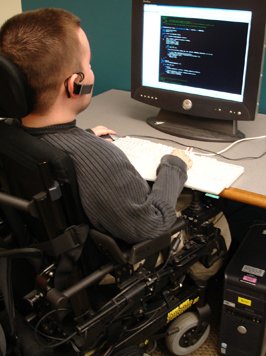
Assistive Technology refers to devices, equipment, or systems that help people perform tasks more independently and safely. AT can support mobility, daily living, communication, and participation in work, school, or community life.
How AT Can Help
- Mobility: Walkers, wheelchairs, or mobility aids to improve movement and safety.
- Daily Living: Tools for dressing, cooking, or personal care to increase independence.
- Communication: Devices or software that support speech, hearing, or social
interaction. - Environmental Access: Home modifications, smart home technology, or adaptive
equipment.
Our Approach
At Iconic Rehab, we assess your needs, recommend the most suitable AT solutions, and provide training to ensure you use them confidently and effectively. Our goal is to remove barriers and empower you to live life on your terms.
HOME MODIFICATIONS & HOUSING
Our goal is to make your home safer, more accessible, and easier to navigate. Home modifications can help you maintain independence, prevent falls, and support your day-to- day activities.
How We Can Help
- Safety & Accessibility: Install ramps, grab rails, handrails, and non-slip surfaces.
- Daily Living Support: Adapt kitchens, bathrooms, and bedrooms to make tasks
easier and safer. - Customised Solutions: Assess your home environment and recommend
modifications tailored to your needs. - NDIS & Funding Guidance: Help you access funding options and support packages for approved modifications.
Our Approach
We work closely with you, your family, and your healthcare team to design practical, functional, and personalised solutions that enhance your independence and quality of life.
SKILL DEVELOPMENT & THERAPY
At Iconic Rehab, our Skill Development & Therapy programs are designed to help you build the abilities needed for everyday life, work, school, and community participation. We focus on strengthening independence, confidence, and functional skills in a personalised and
supportive way.
What We Offer
- Daily Living Skills: Personal care, meal preparation, and household management.
- Cognitive & Executive Skills: Planning, organisation, memory, and problem-solving.
- Social & Communication Skills: Emotional regulation, social interaction, and
teamwork. - Work & Community Participation: Vocational support, workplace readiness, and
community engagement.
Our Approach
Our therapists work closely with you to understand your goals, identify your strengths and challenges, and develop tailored strategies that help you achieve meaningful outcomes in daily life.

Empowering Lives With Professional Occupational Therapy
We provide personalized occupational therapy services to improve daily living skills and overall independence. Our experienced therapists focus on practical solutions that enhance confidence, mobility, and quality of life.
Frequently Asked Questions
Here you can find answers to the most common questions our clients ask about our services. This section will help you understand how we can support you and also explains the care and guidance we provide to meet your needs.

Occupational Therapists support individuals—particularly those living with disability—to build independence and achieve meaningful personal goals. Rather than focusing solely on a medical diagnosis, Occupational Therapy centres on developing functional capacity: aligning a person’s physical, cognitive, and sensory abilities with the real-world demands of
their environment.
Occupational Therapy is a broad allied health discipline that extends well beyond basic self- care to support every aspect of daily living, including:
- Physical Independence
Enhancing mobility, personal care, and the skills required for daily and domestic tasks. - Cognitive Support
Strengthening executive functioning such as planning, budgeting, organisation, and memory. - Psychosocial Wellbeing
Developing strategies for emotional regulation, social participation, and community engagement. - Environmental Enablement
Reducing barriers through assistive technology prescription and home modification design.
We have clinicians experienced in supporting participants for a range of
conditions and needs. This includes neurological conditions, Spinal Cord
Injuries, and sensory processing challenges. We also have allied health
professionals who can provide Paediatric OT support.
You can access our Occupational Therapy services in our clinics or in a location that works best for you. This may include your home, school, a community or public setting, or via telehealth. We focus on delivering care in the environment that is most convenient, comfortable, and meaningful for you.
NDIS Occupational Therapy supports individuals to build independence in everyday activities and enhance their overall quality of life. Our Occupational Therapists work collaboratively with participants to develop the practical skills needed for daily living.
An Occupational Therapist’s role is to support independence in daily tasks and enhance quality of life by enabling participation in the activities that matter most to you. This may involve recommending the right equipment to make tasks easier, or exploring alternative ways to complete important activities more independently. Your Occupational Therapist will
take the time to understand who you are, what’s important to you, and what you want to achieve—then work with you to turn those goals into reality.
Yes, we are a multidisciplinary allied health provider, allowing Occupational Therapy to be delivered as part of a coordinated, holistic care plan. Our Occupational Therapists collaborate closely with other clinicians to ensure comprehensive, integrated support.
You can get started by submitting our referral form. If you have any questions or need support along the way, our team is here to help. Simply reach out via our enquiry form, and we’ll guide you through the process.
No—if you are an NDIS participant, a private patient, or a Home Care Package holder, you don’t need a doctor’s referral. You can contact us directly to book an appointment or make a referral.
We also accept referrals from Support Coordinators, Local Area Coordinators (LACs), family members, or the participant themselves.
- NDIS & Private: No referral required.
- Medicare (CDM/EPC): If you’re claiming a rebate under a Chronic Disease Management plan, you will need a valid referral from your GP before your first
session.
Do you provide services under NDIS?
Yes, we can. However, we are not registered NDIS providers and cannot work with individuals who are Agency (i.e., NDIA) managed. If you are self-managed, plan- managed, or have a support coordinator managing your plan, then we may be able to help. Simply give us a call or book an intro call online to discuss your needs with us before booking.
How long will it take to feel better?
Change is a very individual process, and many factors can influence recovery. How quickly you notice improvement will depend on your symptoms, how long you’ve had them, the support you have, the goals you want to achieve, your motivation to change, and the skills you already bring to therapy.
It’s normal to experience fluctuations in your progress before seeing overall improvement. The effort you put into your treatment plays a big role in the outcome. For some, change can happen quickly, while for others, it may be a longer journey—but consistent work in therapy makes a meaningful difference.